The animation industry continues to experience significant expansion worldwide, driven by technological advancements and evolving consumer demands. This growth has prompted the emergence of new global talent pipelines, shaping how studios source and develop creative professionals. Understanding these dynamics is essential to grasp the current state and future trajectory of animation production.
Global Expansion of the Animation Industry
The animation industry has expanded beyond traditional hubs such as the United States and Japan, with increasing contributions from countries in Asia, Europe, and Latin America. This growth is fueled by rising demand for animated content across streaming platforms, television, film, and gaming sectors. Markets like South Korea, India, and Canada have not only increased production output but also invested in infrastructure and training to support this booming sector.
Technological Innovations Driving Growth
Technological advancements in software, cloud computing, and artificial intelligence have revolutionized animation production processes. Tools enabling remote collaboration and real-time rendering have made it feasible for studios to manage projects across continents seamlessly. These innovations lower barriers to entry and enable a more diverse talent pool to contribute to high-quality animation, directly influencing the industry’s rapid growth and global reach.
The Emergence of New Talent Pipelines
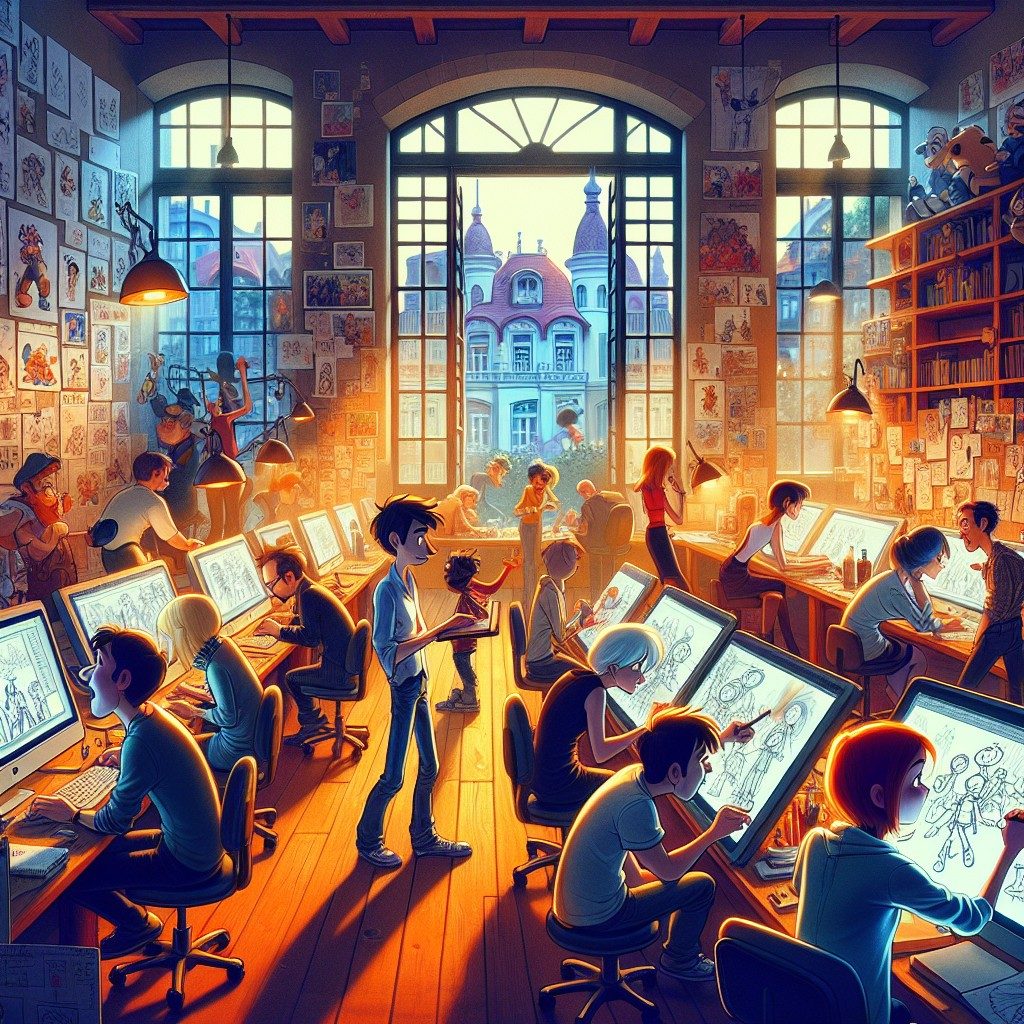
With the animation industry’s continual expansion, companies increasingly seek creative talent from a broader geographical scope. Educational institutions worldwide are developing specialized programs to equip students with skills tailored to current industry needs. Additionally, online learning platforms and workshops have democratized access to training, nurturing emerging talent from regions previously underrepresented in global animation projects. These new talent pipelines are reshaping the workforce and introducing fresh perspectives to animated content.
Impact of Remote Work on Talent Acquisition
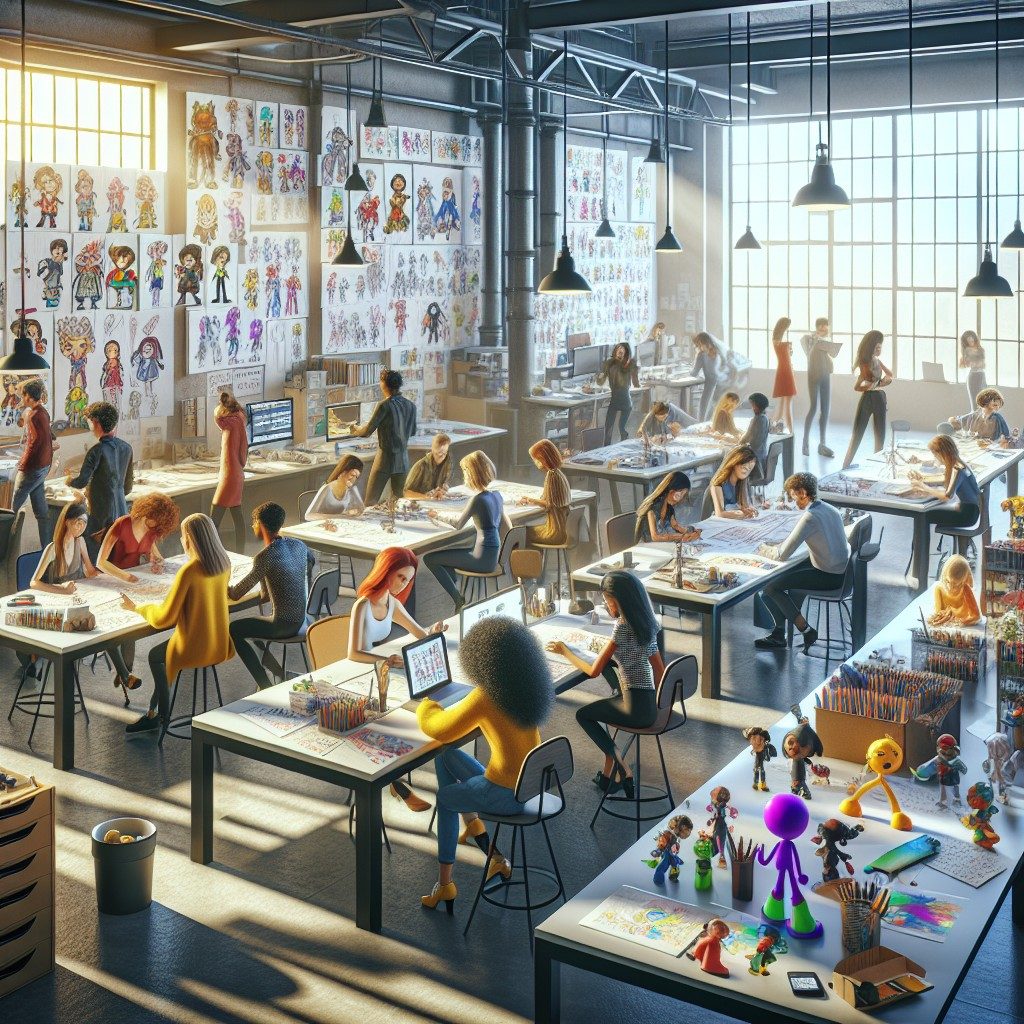
The COVID-19 pandemic accelerated the adoption of remote work in the animation industry, breaking down geographical barriers traditionally limiting staffing options. Studios now hire animators, designers, and technical artists from diverse locations, optimizing talent acquisition costs and benefiting from cultural variety. This shift has created a more inclusive global workforce, although it requires effective management of communication, time zones, and collaboration challenges to maintain productivity and quality standards.
Challenges and Opportunities Ahead
Despite these positive trends, challenges persist, including unequal access to technology, varying labor regulations, and differences in industry standards across countries. Ensuring fair working conditions and fostering sustainable career development remain critical concerns for the animation industry. However, continued investment in education and infrastructure coupled with technological progress presents promising opportunities to solidify the global talent network and stimulate further industry growth.
Frequently Asked Questions about animation industry
What factors are currently driving growth in the animation industry?
The animation industry is being driven by increased demand for digital content on streaming platforms and advancements in technology that allow efficient production and collaboration internationally.
How are global talent pipelines changing the animation industry workforce?
New global talent pipelines bring a wider range of skills and cultural perspectives by enabling studios to recruit and train professionals from various countries, diversifying and enriching the animation industry workforce.
What role has remote work played in the animation industry’s development?
Remote work has expanded talent acquisition capabilities for the animation industry, allowing studios to tap into artists and technicians from all over the world without geographic constraints.
Are there challenges associated with the globalization of animation industry talent?
Yes, challenges include managing cultural differences, ensuring consistent quality standards, and addressing disparities in labor laws and access to technology across regions.
What is the future outlook for the animation industry regarding global talent sourcing?
The animation industry is expected to continue leveraging global talent pipelines, supported by technological innovation and education initiatives, which should enhance creative diversity and industry growth.