Emerging trends in defense innovation are profoundly influencing the landscape of global deterrence and security strategies. As geopolitical tensions evolve, nations are increasingly investing in advanced technologies to maintain strategic advantages and bolster national defense capabilities.
Advancements in Artificial Intelligence and Autonomy
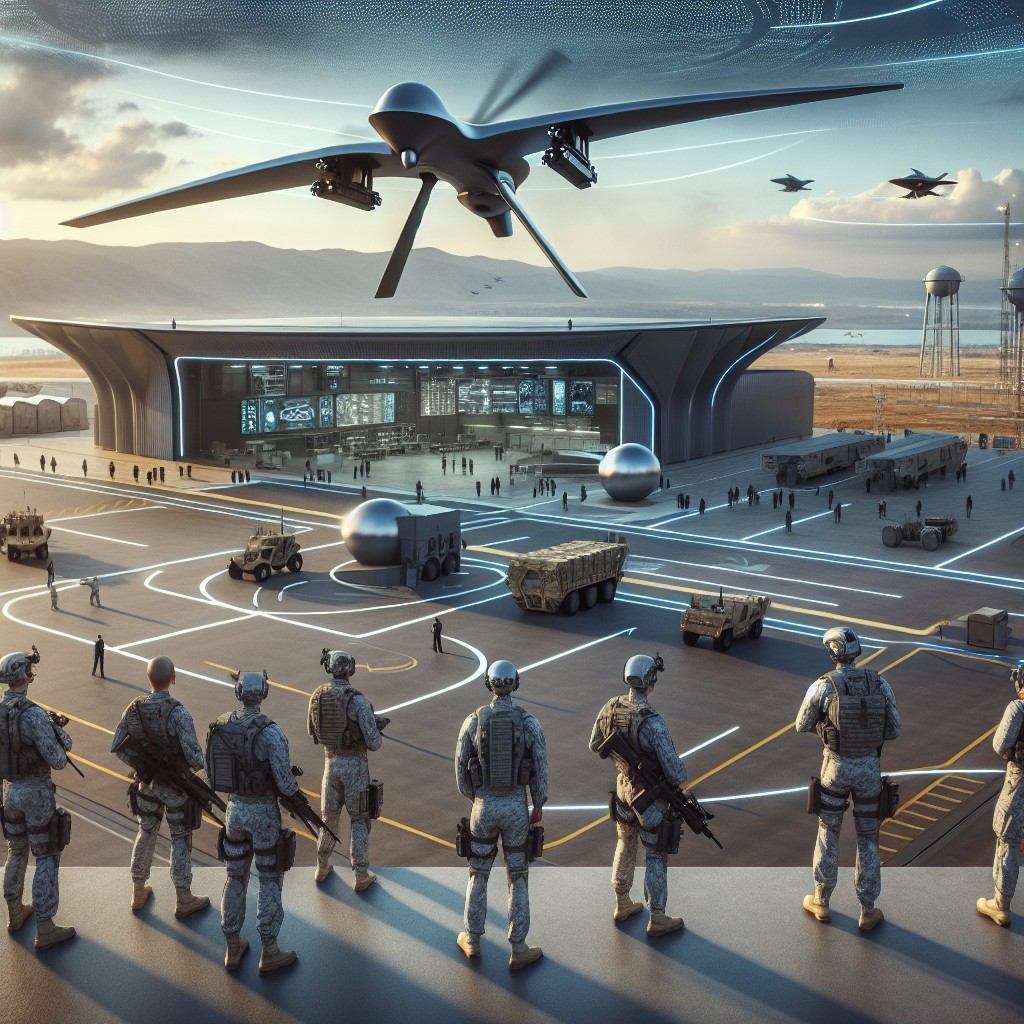
One of the most significant drivers of defense innovation is the integration of artificial intelligence (AI) and autonomous systems into military operations. AI-enabled platforms enhance decision-making speed and accuracy, providing critical advantages in real-time threat assessments and battlefield management. Autonomous drones, vehicles, and underwater systems are being developed to conduct reconnaissance, surveillance, and targeted strikes with minimal human intervention, thereby reducing risks to personnel and enabling persistent operational presence in contested environments.
Cybersecurity and Electronic Warfare Enhancements
The rise of digital warfare has emphasized the necessity of robust cybersecurity measures as a component of contemporary defense innovation. Military organizations are adopting sophisticated electronic warfare techniques to protect critical infrastructure and communications networks from cyberattacks. Efforts to develop resilient systems capable of detecting, countering, and mitigating cyber threats are increasingly prioritized. These innovations are essential for safeguarding command and control centers and maintaining operational integrity during conflicts.
Hypersonic Weapons and Missile Defense
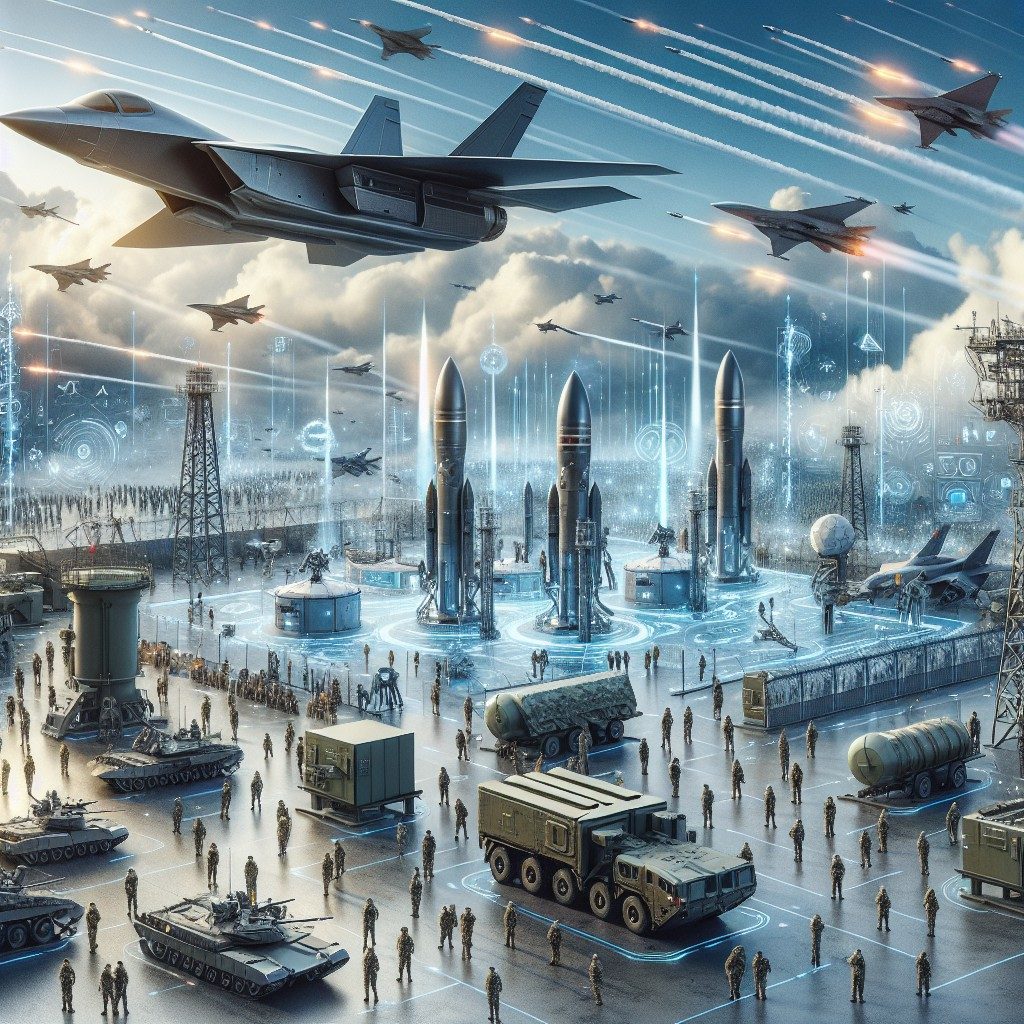
Hypersonic technology represents a transformative trend within defense innovation, introducing weapons that can travel at several times the speed of sound with high maneuverability. This advancement challenges existing missile defense systems and compels militaries worldwide to accelerate the development of corresponding countermeasures. Investment in hypersonic research underscores the broader strategic competition and demonstrates the critical role of technological superiority in deterrence frameworks.
Space-Based Defense Initiatives
Space is increasingly recognized as a critical domain for national security, prompting intensified defense innovation efforts focused on satellite technology and space situational awareness. Space-based sensors contribute to early warning systems and intelligence gathering, while innovations in missile tracking and communication satellites enhance command capabilities. Protecting space assets against emerging anti-satellite threats remains a key priority to ensure continued operational effectiveness and global strategic stability.
The Role of International Cooperation in Defense Innovation
International collaboration is a vital element in accelerating defense innovation and addressing complex security challenges. Joint research programs, shared technological development, and coalition frameworks facilitate the pooling of expertise and resources. Organizations like NATO promote standardized innovation practices that enhance interoperability among allied forces. Such partnerships help foster both technological advancement and policy alignment, reinforcing deterrence by presenting united fronts in the face of evolving threats. Furthermore, ongoing investments by states into defense innovation reflect the recognition that sustained security depends on continuous adaptation to emerging technologies.
Conclusion
The dynamic evolution of defense innovation is reshaping deterrence and security paradigms globally. From AI-driven autonomous systems to hypersonic weapons and space-based capabilities, these technological advancements are altering strategic balances and operational doctrines. As nations continue to invest in and develop cutting-edge defense technologies, collaboration and resilience will be essential to managing emerging threats effectively. The trajectory of defense innovation suggests an increasing emphasis on rapid adaptability and integration across multiple domains to maintain credible deterrence in an ever-changing security environment.
Frequently Asked Questions about defense innovation
What is the significance of defense innovation in modern military strategy?
Defense innovation plays a crucial role in modern military strategy by introducing advanced technologies that enhance operational capabilities, improve decision-making, and maintain strategic advantages against emerging threats.
How does artificial intelligence impact defense innovation?
Artificial intelligence significantly impacts defense innovation by enabling autonomous systems, improving threat detection, and accelerating decision-making processes across various military applications.
Why is cybersecurity integral to defense innovation?
Cybersecurity is integral to defense innovation because it protects critical military infrastructure and communications from cyber threats, ensuring the resilience and effectiveness of defense operations in the digital age.
What role does international cooperation play in defense innovation?
International cooperation accelerates defense innovation by fostering shared research, resource pooling, and interoperability among allies, thereby strengthening collective security and deterrence efforts.
How are space technologies affecting defense innovation?
Space technologies enhance defense innovation by offering advanced surveillance, early warning systems, and communication capabilities, which are essential for maintaining strategic awareness and protecting critical assets in the space domain.